

Introduction: The General Trend of Wireless Technology
Nowadays, all types of devices are shifting toward wireless connectivity. The frequency band selected for conference rooms directly determines whether a summit proceeds seamlessly or suffers unexpected technical failures. While 5G (Wi-Fi) systems have garnered attention thanks to their trendy features, veteran audio-video engineering professionals and government project integrators still prioritize Ultra High Frequency (UHF) equipment.
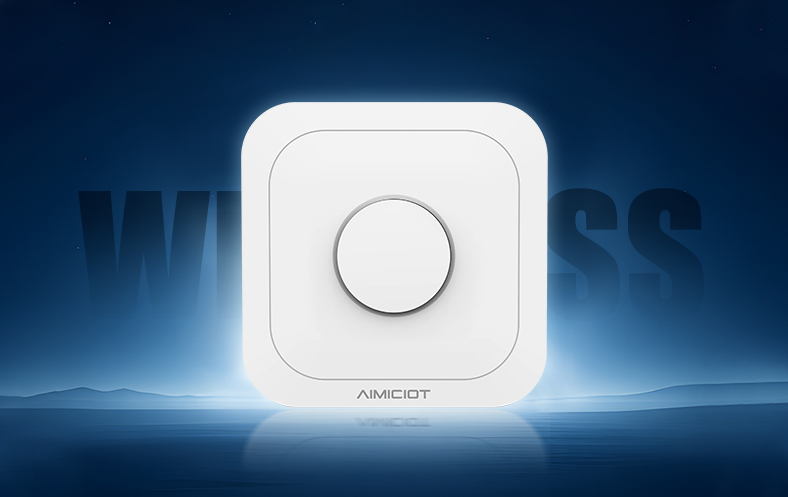
Aimiciot specializes in the research and development of premium UHF wireless conference systems. We firmly believe that consistent signal performance is not an optional add-on but a mandatory requirement for critical high-stakes meetings. This article elaborates on why UHF delivers superior overall performance in professional scenarios.
I. Core Advantages of UHF: Strong Wall Penetration & Long Transmission Range
The UHF spectrum generally spans 400MHz to 900MHz, and its core strengths stem from the physical properties of radio waves. Compared with the high-frequency 5GHz signals used by Wi-Fi, UHF boasts longer wavelengths and stronger anti-interference transmission capabilities.
1.Outstanding wall penetration: UHF signals can pass through walls, furniture and partitions with minimal signal attenuation.
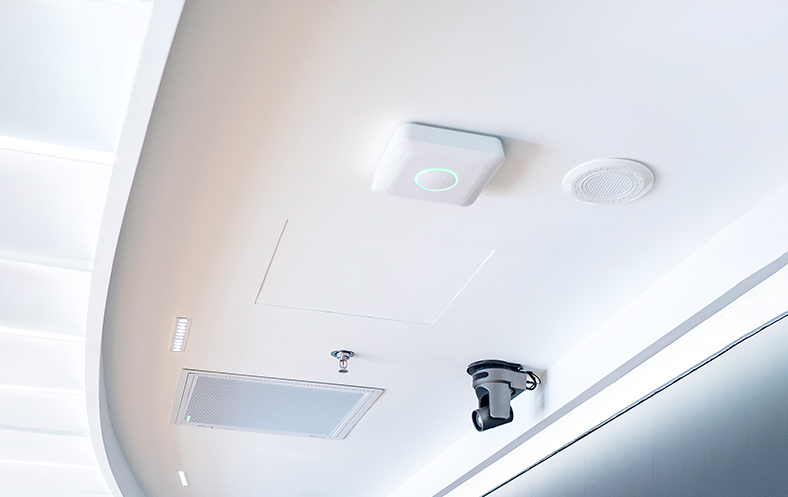
2.Extensive coverage: A single UHF receiver can achieve a maximum coverage distance of 100 meters, making it the only viable solution for large auditoriums, interconnected multi-venue setups and complex building spaces.
II. Complete Avoidance of Wi-Fi Channel Congestion Issues
The biggest hidden risk of 5G Wi-Fi conference systems lies in bandwidth resource competition. In modern office environments, the 5GHz frequency band is already saturated by laptops, mobile phones and guest Wi-Fi networks.
1.Full isolation from office IT networks: UHF operates on an independent professional exclusive frequency band, completely separated from office Wi-Fi signals. Even if a neighboring conference room runs a 4K ultra-high-definition video conference, audio dropouts will not occur on this system.
2.Consistent and predictable performance: UHF eliminates signal latency caused by Dynamic Frequency Selection (DFS), as well as interference from wireless routers — issues that frequently plague 5G Wi-Fi devices.
III. Horizontal Parameter Comparison: UHF Outperforms 5G Wi-Fi Across All Professional Metrics
| Performance Parameter | UHF System | 5G Wi-Fi System |
|---|---|---|
| Stability | Industrial-grade exclusive dedicated frequency band | Consumer-grade shared public frequency band |
| Transmission Range | Over 100 meters at maximum | Limited coverage, less than 30 meters |
| Obstacle Penetration Capability | Excellent, functional through physical barriers | Poor, requires unobstructed line-of-sight transmission |
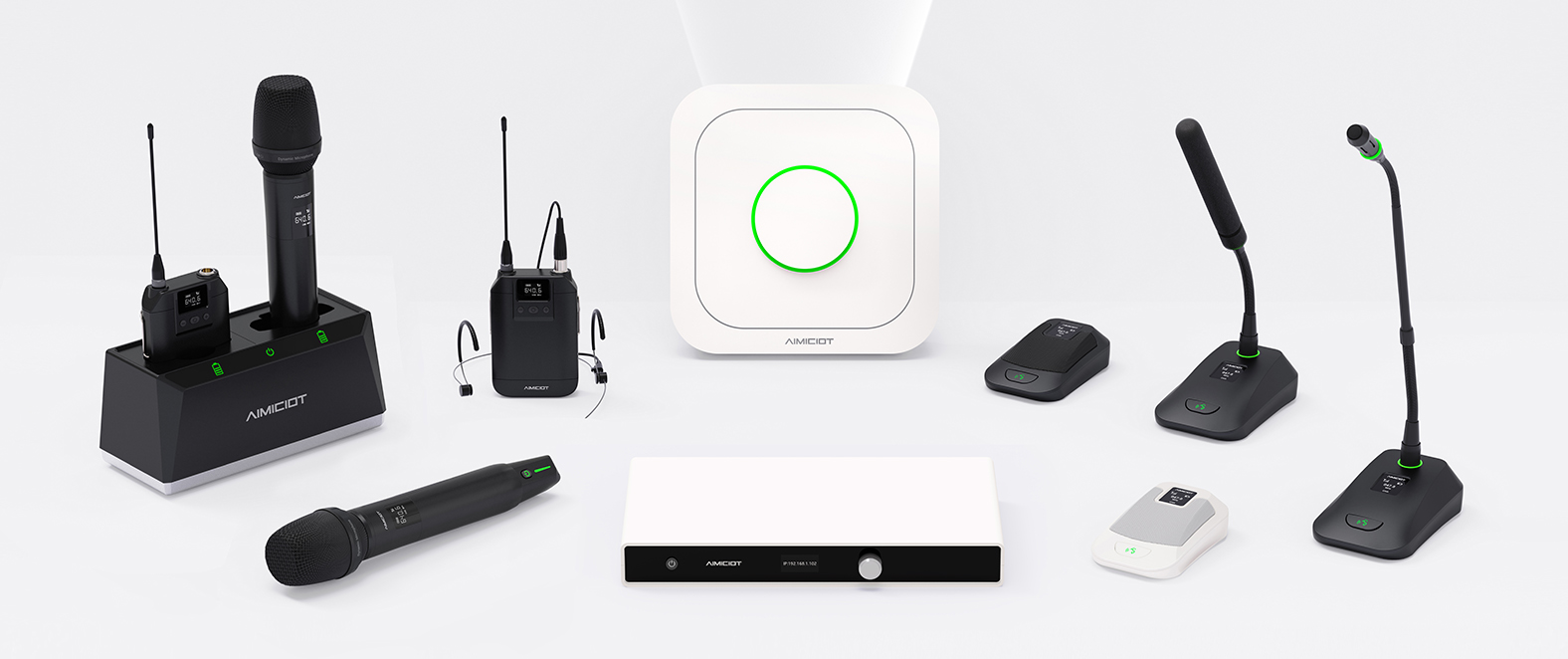
IV. Aimiciot UN Series: Next-Generation UHF Devices Tailored for the Digital Era
Building on mature and reliable UHF technology, we have integrated a full suite of modern digital functions to perfectly meet the demands of today’s smart conference rooms:
1.Dante and IP Audio (AOIP) compatibility: Devices can connect to Dante audio networks to transmit professional-grade audio signals via standard Ethernet cables.
2.Up to 30 hours of battery life: Optimized low-power UHF design delivers industry-leading battery runtime, unmatched by 5G wireless alternatives.
3.Triple acoustic noise reduction technology: Built-in Acoustic Echo Cancellation (AEC) and Active Noise Cancellation (ANC) modules.
Conclusion: Choosing UHF Equals Choosing Reliable Assurance
If you are tasked with outfitting government auditoriums, large corporate headquarters or multi-functional event venues, the choice is clear. UHF offers long-distance coverage, wall penetration and operational stability that 5G Wi-Fi cannot match.
Do not let the communication quality of critical meetings be limited by shared office public Wi-Fi. For professional-grade standards, opt for UHF.